



ACL Repair and Reconstruction: Get Back to Moving with Confidence
- NOVEMBER 11, 2026
- By Brundas Clinic
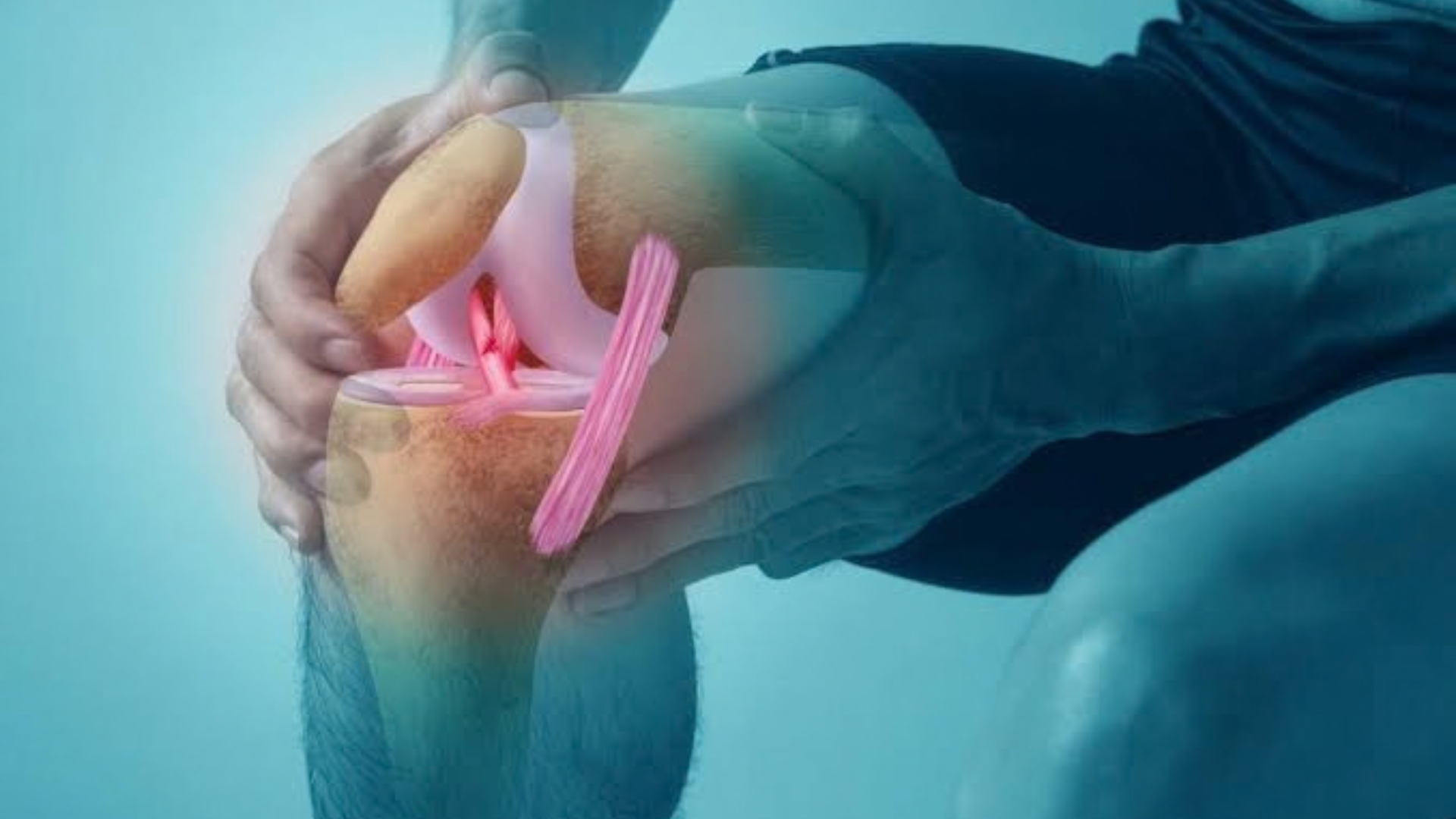
A twist during sport or an awkward landing can damage the anterior cruciate ligament (ACL) that stabilises the knee. Pain, swelling and a sensation of vulnerability can affect the ability to walk, climb stairs and perform daily activities comfortably.
At Brunda Advanced Orthopaedics & ENT Centre in Vijayanagar, Bengaluru, Dr. Nagaraj M, Orthopaedic Specialist, evaluates knee injuries and discusses an appropriate course of treatment.
What Is the ACL and How Does It Get Injured?
The ACL is a band of connective tissue deep within the knee that works to control forward movement and rotation of the tibia relative to the femur. An ACL injury can restrict knee movement and function, especially during twisting, jumping, landing, or slowing down. ACL tears can occur during sport, but not exclusively by athletes.
Common causes include:
- Sudden turns on planted feet
- Sports-related awkward landings or quick changes in direction
- A collision or twisting fall
Some people report hearing or feeling a "pop" when injured. Swelling can occur within hours of injury and the knee may be unstable (not able to fully bend/straighten). Pain and swelling can accompany other knee injuries, so these signs and symptoms alone cannot confirm an ACL tear.
An examination for knee stability and an MRI (if indicated) may be performed by a clinician. Seek immediate medical attention if you cannot bear weight, the swelling is rapid, or the knee is repeatedly giving out; avoid sport until seen by a specialist.
ACL Repair vs. Reconstruction: What Is the Difference?
Treatment depends on the location and severity of the tear, the integrity of the remaining ligament tissue, associated injuries, activity level and general health, among other factors. Not every ACL tear requires surgery. In some cases, selected injuries may be managed with rehabilitation and changes in activity level while an athlete with recurrent instability may benefit from surgical treatment.
ACL repair is a procedure to reattach or repair the torn ACL in carefully selected patients for whom it is appropriate given the pattern and characteristics of the tear. This procedure is not suitable for all patients.
ACL reconstruction is the replacement of the torn ACL with a graft, often harvested from one's own body, or in some cases, from donor tissue. This is a technique used when the torn ACL cannot be repaired reliably or the knee instability compromises one's desired activity level.
Dr. Nagaraj M considers activity level, associated injury and individual needs when recommending a treatment approach. Ask about the benefits, risks, alternatives and rehabilitation associated with each treatment option.
Why Choose the Best Orthopaedic in Vijayanagar for ACL Surgery?
Choosing an experienced orthopaedic specialist is key given the comprehensive nature of diagnosis, treatment planning, post-operative rehabilitation and aftercare throughout the recovery. If you are looking for the Best Orthopaedic in Vijayanagar, consider a provider who communicates effectively and can tailor an approach to achieve your treatment goals.
Potential Benefits of Minimally Invasive Arthroscopic Surgery
ACL procedures are typically performed using an arthroscopy. This is a surgical technique in which a small camera and specialised instruments are inserted through small incisions in the knee to view and treat the internal knee structures.
Depending on the procedure and an individual's circumstances, some potential benefits of arthroscopic treatment for ACL injury may include:
- Small incisions during the procedure and reduced scarring
- Less disruption of normal, healthy knee tissues
- Reduced post-operative discomfort
- A shorter hospital stay or earlier discharge (when appropriate)
- A view of internal knee structures to identify and address other knee injuries, such as meniscal damage
Arthroscopy cannot prevent all post-operative complications or ensure a rapid recovery. Infection, stiffness, blood clots, graft loss, or persistent instability can occur; your surgeon can discuss preventive measures.
Recovery: Why Physiotherapy Matters
Recovery is a gradual process and physiotherapy plays a vital role in both surgical and non-surgical treatment of ACL injury. The rehab process depends on the nature of the procedure undertaken and the individual's response to treatment.
Recovery typically progresses through several stages:
- Early protection: Address post-operative swelling and discomfort, follow instructions for wound care and mobility (such as the use of crutches or a brace) and have regular follow-up appointments
- Restoration of movement: Target range of motion (flexion/extension) exercises to normalise knee movement while reducing stiffness
- Strengthening and balance: Gradual strengthening of the quadriceps, hamstrings, hips and core and balancing and proprioceptive exercises to restore coordination and control
- Progression of functional activity: Under the guidance of a physiotherapist, progress to higher-level activities such as walking, jogging, jumping and dynamic directional changes as appropriate
- Return to sport or physically demanding work: Return to sport should only be undertaken when the strength, range of motion, stability, balance and confidence are sufficient to meet the demands of the activity and functional tests indicate an appropriate level of knee function
It is important to return to sport or physically demanding work appropriately to reduce the risk of further injury and promote overall physical and mental wellness. Returning too soon after surgery can limit functional capacity and increase the risk of reinjury. Recovery following reconstruction is often a lengthy process, taking many months and returning to pivoting sports may take around nine to twelve months or more.
It is important to pace yourself based on your individual circumstances rather than comparing progress with others. Seek medical advice for signs of infection (fever, wound discharge), worsening pain, or significant calf swelling. Seek immediate medical attention for chest pain or difficulty breathing.
Conclusion: Get Expert Guidance for ACL Injury in Vijayanagar
Living with an unstable knee can affect confidence, the ability to exercise, work and move independently. You do not have to guess whether your injury requires rest, rehabilitation, or surgical intervention. An initial assessment can help clarify your treatment options and realistic expectations for recovery.
For people searching for the Best Orthopaedic in Vijayanagar, Brunda Advanced Orthopaedics & ENT Centre provides orthopaedic evaluation with Dr. Nagaraj M, Orthopaedic Specialist, in Vijayanagar, Bengaluru. Discuss your concerns and activity goals to make an informed decision about your treatment.


.svg)


.png)


Comments
Leave a reply to this post.